


Gippsland
Victoria's quiet east — 90 Mile Beach, the vast Gippsland Lakes and old-growth forests worth protecting
About this region
Gippsland
Gippsland begins where Melbourne's eastern fringe surrenders to real country — and it doesn't stop for several hundred kilometres. This is the big, quiet Victoria that most visitors miss on the freeway, a region of fertile valleys, deep forests, an inland sea of interconnected lakes and the longest continuous stretch of coastal dune in Australia.
The Gippsland Lakes — Lakes Entrance, Lake King, Lake Wellington and their tributaries — form a vast 400 square kilometre waterway of estuaries, channels and inlets. Fishing from a hired houseboat, exploring by kayak, or simply sitting on the deck as pelicans patrol the wharves at dusk defines a particular kind of Australian holiday. Lakes Entrance is the gateway — a small, honest town that lives and breathes recreational fishing.
South of the lakes, the Ninety Mile Beach runs along an exposed surf coast with powerful swell and almost no development. The camping is basic and the wind can be punishing, but the sky and the sea are magnificent. North of the highway, the Baw Baw Plateau and the Upper Thomson catchment are largely trackless wilderness, protecting Victoria's most important water supply — old-growth forest of mountain ash, alpine ash and snow gum on the edge of the high country.
Browse listings
Places to Stay in Gippsland
142 campgrounds, caravan parks and accommodation across the region
Macalister Springs
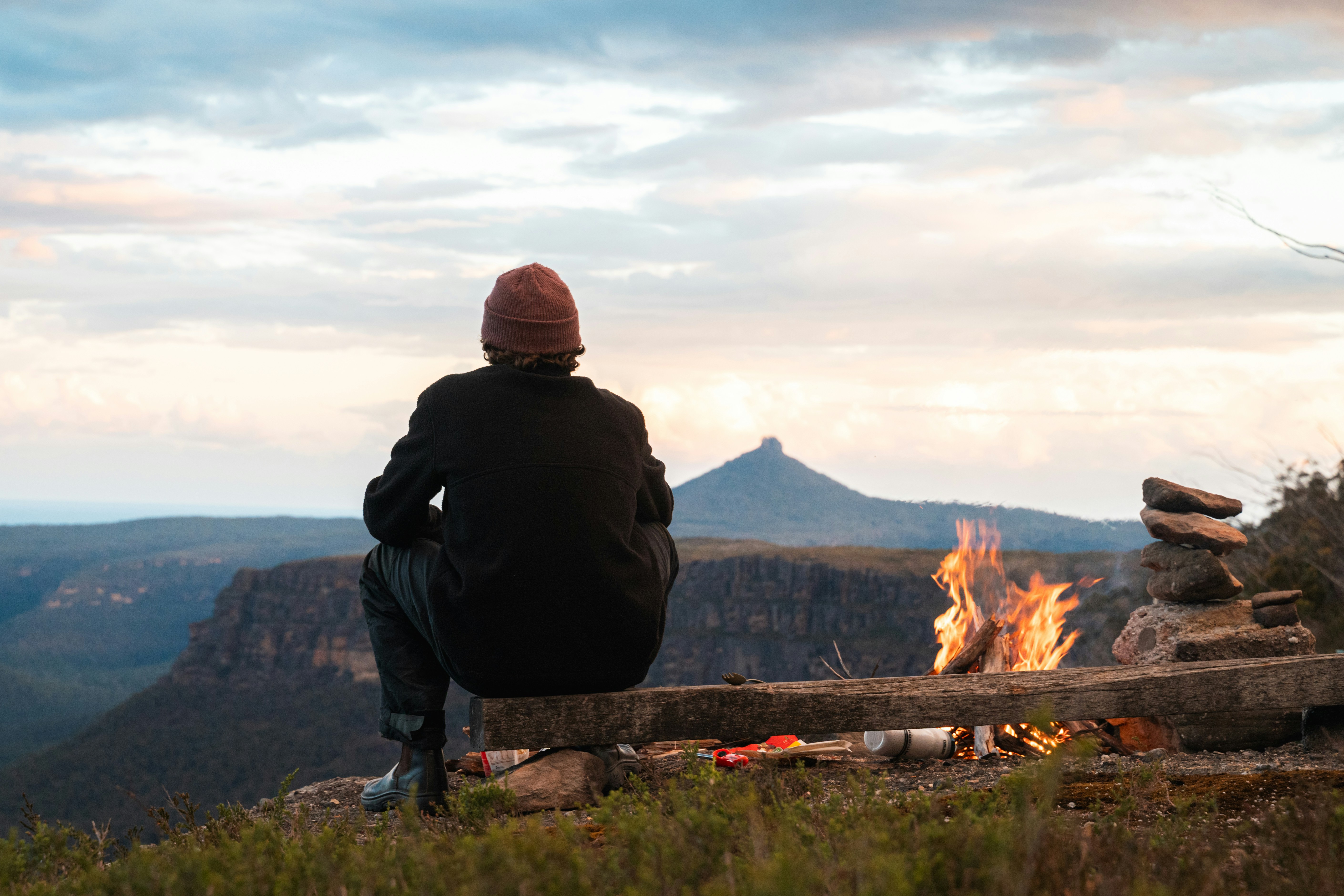
Remote free campsite in Alpine National Park at 1555m elevation, managed by Parks Victoria. Accessed via Mount Howitt Walking Track, dogs permitted.
Providence Ponds
Camping area near Bairnsdale, VIC.
Sale Showgrounds Caravan Park
Caravan park near Sale, VIC.
Sealers Cove Hike-in Camping Area
Sealers Cove Hike-in Camping Area rewards hikers with a spectacular golden beach with crystal clear waters sheltered from prevailing winds.
Refuge Cove Hike-in Camping Area
Walk-in Parks Victoria campground in Victoria.
Mt Saint Phillack Camping Area
Mt Saint Phillack Camping Area is located along the Australian Alps Walking Track.
Forest Road Trail Bike Unloading and Camping Area
Parks Victoria campground in Victoria.
Oberon Bay Hike-in Camping Area
Nestled amongst tea-tree the Oberon Bay Hike-in Camping Area is close to the wind-swept beach of Oberon Bay.
Little Waterloo Bay Hike-in Camping Area
On the eastern coast of Wilsons Promontory, Little Waterloo Bay Campground has a stunning white sandy beach with crystal clear water.
Rock Shelter Camping Area
The Rock Shelter Camping Area is located on the Baw Baw Plateau along the Australian Alps Walking Track.
Talbot Hut Ruins Camping Area
Talbot Hut Ruins Camping Area is popular with walkers of the Australian Alps Walking Track.
Whitelaw Hut Camping Area
Whitelaw Hut Camping Area is located on the Baw Baw Plateau along the Australian Alps Walking Track at the site of the old Whitelaw Hut.
Stronachs Camping Area
Stronachs is a small camping area situated along the Australian Alps Walking Track.
Roaring Meg Hike-in Camping Area
Roaring Meg is the most southern hike-in camping area at the Prom.
Holey Hill Camping Area
Parks Victoria campground in Victoria.
Halfway Hut Hike-in Camping Area
The historic Halfway Hut and campsite is situated on the Telegraph Track.
Talbotville Historic Township Camping Area
Parks Victoria campground in Victoria.
Spoon Bay Campground
Spoon Bay Campground hugs the gently curving western shore of Lake Victoria.
Shearwater Campground
The scenic Shearwater Campground has everything you need for a relaxing camping experience.
Grant Historic Township Camping Area
Parks Victoria campground in Victoria.
Gannet Campground
Pitch a tent a Gannet Campground and wake to the sound of Southern Ocean swells and native bird calls.
Egret Campground
Hidden on a sandbar on the outer rim of Lake Victoria, the boat-accessible Egret Campground is one of only seven campgrounds located at Bunga Arm.
Dotterel Campground
Sitting snug on the shores of Lake Victoria, book a night at the quaint Dotterel Campground.
Crooked River Camping Area
Parks Victoria campground in Victoria.
Cormorant Campground
One of only seven campgrounds at Bunga Arm, book a night or two at Cormorant Campground and reap the rewards of the lakeside location.
Albatross Campground
Nestled on the sand bar known as Bunga Arm and only accessible by boat, escape the crowds and pitch a tent at Albatross Campground.
North Garden Campground
Campground in the Rosedale area of Gippsland. Bush setting with basic facilities.
Manna Gum Camp
Free riverside camping at Manna Gum Camp in Alpine National Park. Tent sites with toilets, 2WD access, BYO water. Dogs not permitted, no bookings needed.
Greenhood Camp
Free riverside tent camping on Wellington River near Licola. Sloping gravel sites with shade, no facilities. Part of Greenhood complex, first-in basis.
Red Box Camp
Free camping at Red Box Camp in Alpine National Park's Victorian High Country. Riverside tent sites, toilets, horse yards and native wildlife along the Wellington River.
Tarra Valley Caravan Park
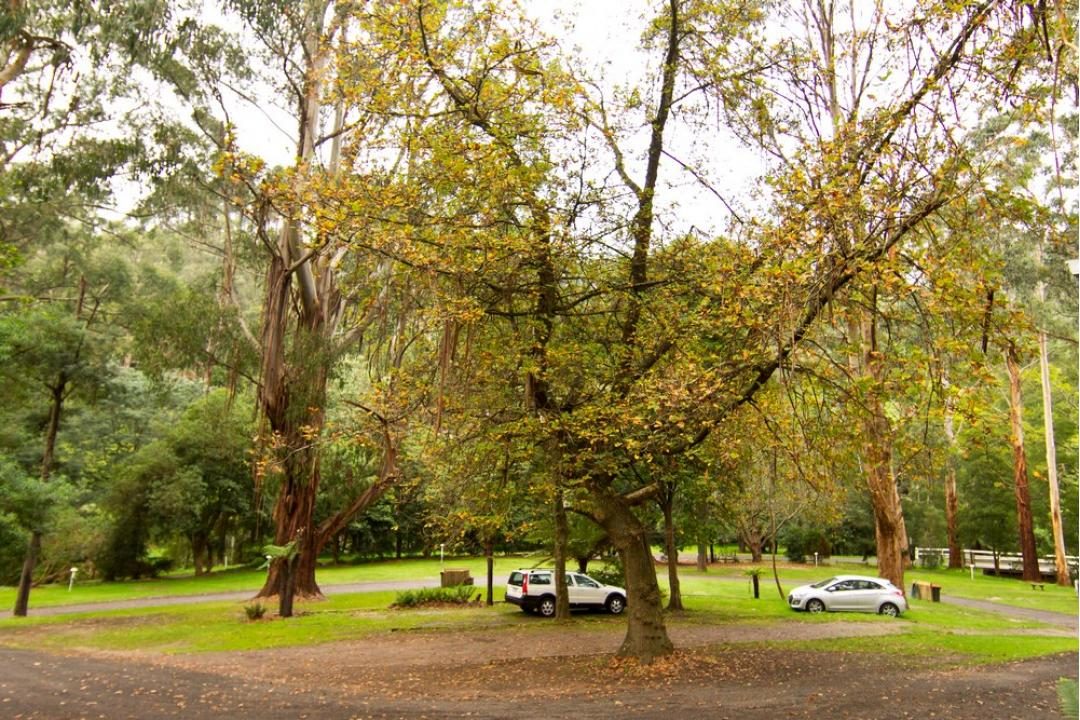
The Tarra Valley Caravan Park is a tranquil birdwatcher's paradise nestled in Victoria's Gippsland region. Prolific wildlife and picturesque views enrich your stay as the Tarra River's calming flow sets the perfect backdrop for relaxation. The park caters to a variety of accommodation needs with caravaning facilities and cosy cabins. Engage in various outdoor activities or explore the stunning local attractions—a perfect choice for nature enthusiasts and families alike.
Boolarra Apex Park Camping Area
The Aussie Pub Rosedale
Rest area near the pub in Rosedale. Day stopover.
Treefrog Camp
Free bush camping beside river in Alpine National Park, 150km east of Melbourne. Level tent sites among eucalypts with wallabies and native birds. Dogs welcome.
Cockatoo Camp
Free riverside camping in the Victorian High Country with toilets, dog-friendly sites under native gums, and local wildlife near Crookayan.
Red Bluff Camp
Free bush camp in Alpine National Park's Victorian High Country with tent sites. Dog-friendly camping approximately 150km east of Melbourne on State Route 7.
Platypus Camp
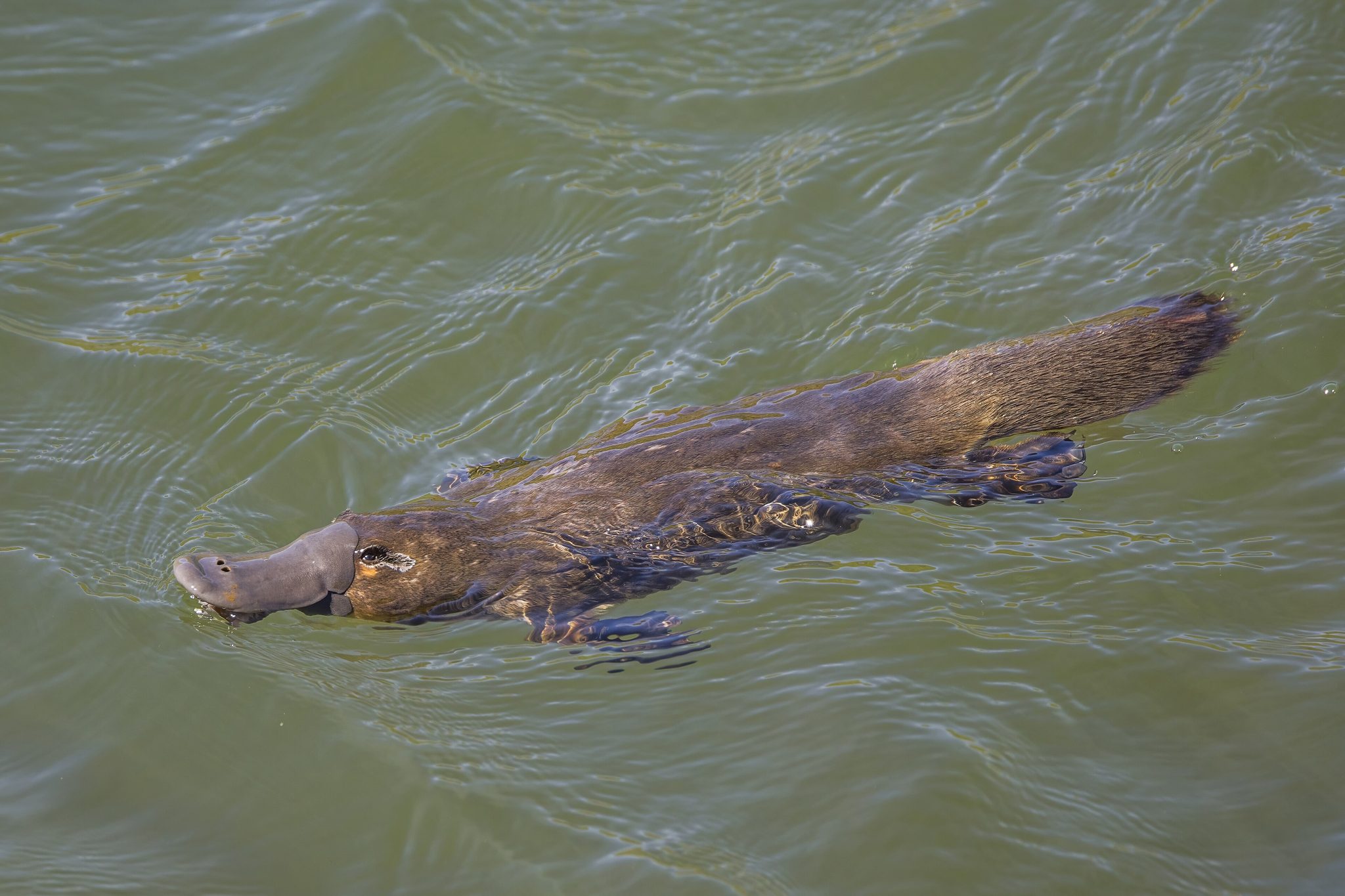
Free riverside campsite on Wellington River near Licola in Alpine National Park, offering basic facilities, dog-friendly camping and forest surroundings.
Blackfish Camp
Free riverside bush camp in Victorian High Country with basic tent sites, dog-friendly, no toilets. First-in, best-dressed camping along Wellington River.
Korumburra Tourist Park
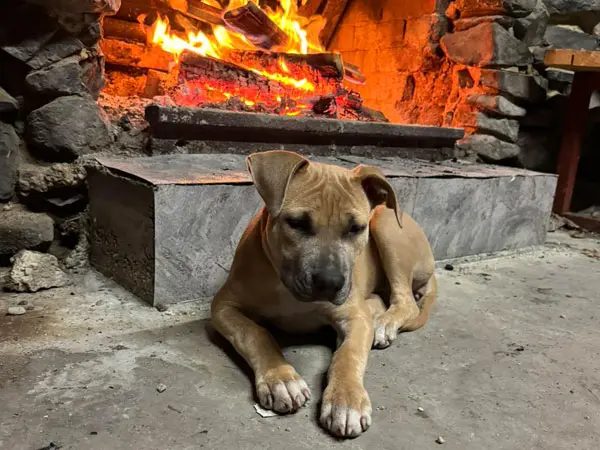
Korumburra Tourist Park, nestled amidst the picturesque Strzelecki Ranges in South Gippsland, offers a tranquil escape with its idyllic surroundings. A family-operated, amiable destination, it is perfect for those looking to unwind, explore and engage with nature. Its prime location allows guests to explore stunning landscapes, indulge in local wildlife spotting, and offers a gateway to the region's renowned attractions. Enjoy the warm welcome and make lasting memories at Korumburra Tourist Park.
Myrtleford Turn-Off Camping Area
Myrtleford Turn-Off Camping Area in Alpine National Park offers remote bush camping along the Mitchell and Wonnangatta Rivers Heritage River in Victoria's high country.
Breakfast Creek Camp
Free camping at Breakfast Creek in Alpine National Park, Victorian High Country. Caravan and tent sites with toilets, dog-friendly, near Wellington River and Licola.
Muttonwood Camp
Free riverside camping in Alpine National Park near Licola with toilets, showers, campfire facilities and swimming spots on the Wellington River.
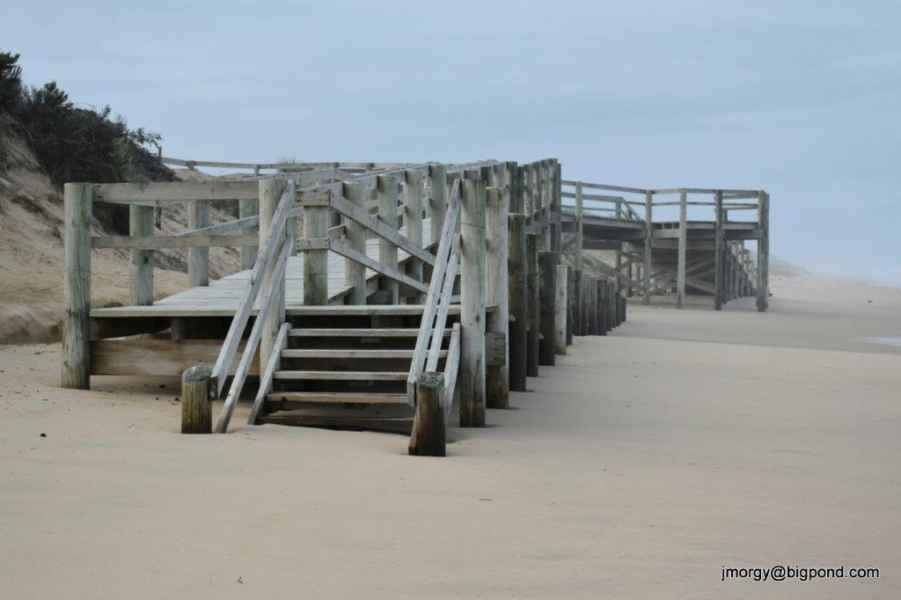
Seaspray Caravan Park
Seaspray Caravan Park offers a serene getaway for nature lovers, located near the breath-taking Ninety Mile Beach, an ideal destination for fishing, swimming, and sunbathing. The park offers various accommodations from caravan to camping spots, fitting for solo or family trips. Beyond basic amenities, park guests can enjoy BBQ facilities, a playground, and easy access to local shops and cafes. A relaxing retreat away from the hustle and bustle of city life.
Pardalote Camp
Dispersed riverside camping in Alpine National Park's forested valley. Free sites with toilets, dogs welcome, and frequent wildlife sightings along Wellington River.
Cheyne Bridge W Stop
Wayside stop at Cheyne Bridge. Day use with basic facilities.
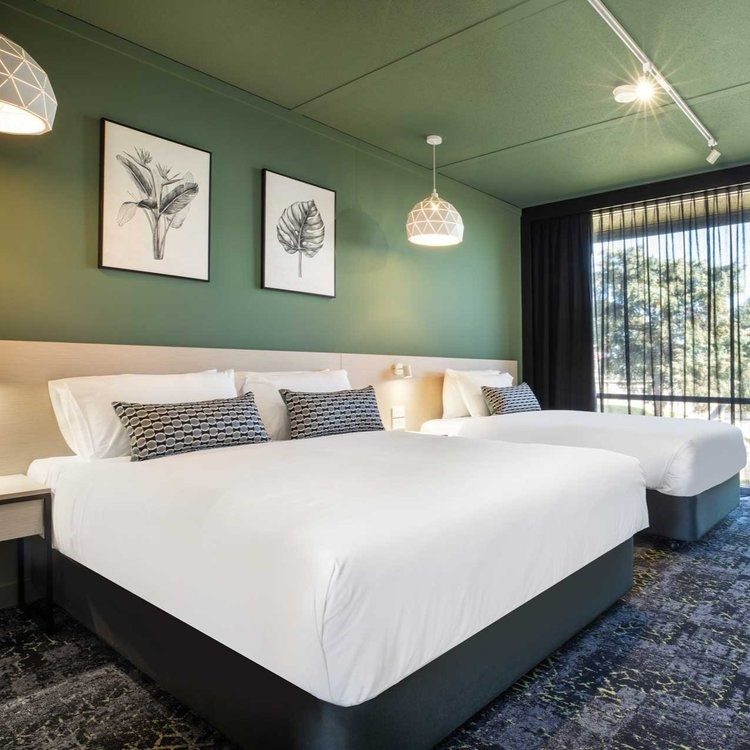
Nightcap at Morwell Hotel
Nightcap at Morwell Hotel provides convenient accommodation in the heart of Morwell, VIC, featuring 19 well-appointed guest rooms that cater to budget-conscious travellers. The hotel's central...
Traralgon West Rest Area
Rest area west of Traralgon on the Princes Highway. Day use.
Leongatha Apex Club Caravan Park
Offering a serene escape, the Leongatha Apex Caravan Park is nestled in close proximity to bustling local shops and stunning beaches such as Inverloch, Waratah Bay, and Wilsons Promontory. The park boasts of a family-friendly environment perfect for camping and caravan adventures, providing visitors a chance to reconnect with nature, enjoy local attractions, and experience a peaceful getaway.
Loch Valley Campground
Valley campground in lush fern gullies near Noojee. Mountain stream setting with walking trails.
Seabank Caravan Park
Seabank Caravan Park is nestled in the heart of Eastern Victoria's first port, discovered by Angus McMillan in 1841. Spread over 18 picturesque acres surrounded by native gum trees, the park offers direct access to the water. Its high standards of comfort and convenience have earned it a 3-star rating by RACV, making it an ideal location for a relaxing, activity-filled holiday.
White Womans Waterhole Camping Area
White Womans Waterhole Camping Area, situated in the Won Wran State Forest, is a spacious, flat area, ideal for camping. With dedicated sections for camping and day use, the site also includes recent additions such as a unisex drop toilet, picnic tables, concrete fire pits and new signage. While characteristic of minimal facilities and network reception, it offers an opportunity for an immersive nature-experience, laced with local lore, and is perfect for exploration or tranquil forest retreats. The area, previously affected by fire, showcases a unique landscape with sandy, sturdy ground and sparse ground covering.
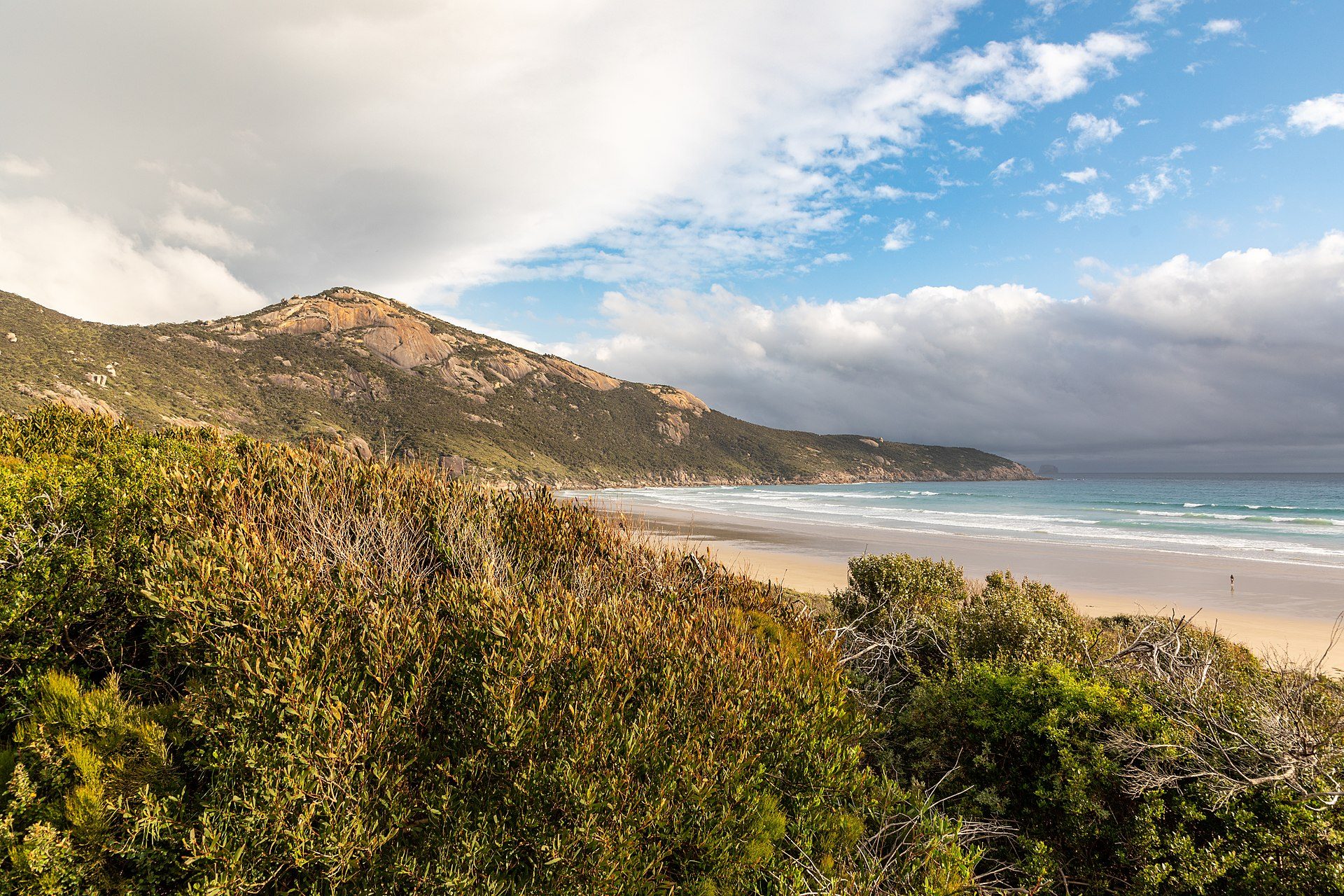
Tidal River Campground
Tidal River Campground, nestled in the Wilsons Promontory National Park, is a haven for nature lovers. This picturesque destination offers an information centre for trail mapping and activities planning, a specially featured playground, as well as convenient parking facilities. Alongside, a general store and café cater to your essentials and food cravings. The highlight of the site includes picnic areas where you can enjoy a feast amidst nature, complemented by free gas barbecues. However, note that the Tidal River watercourse and related amenities are currently closed due to certain conditions.
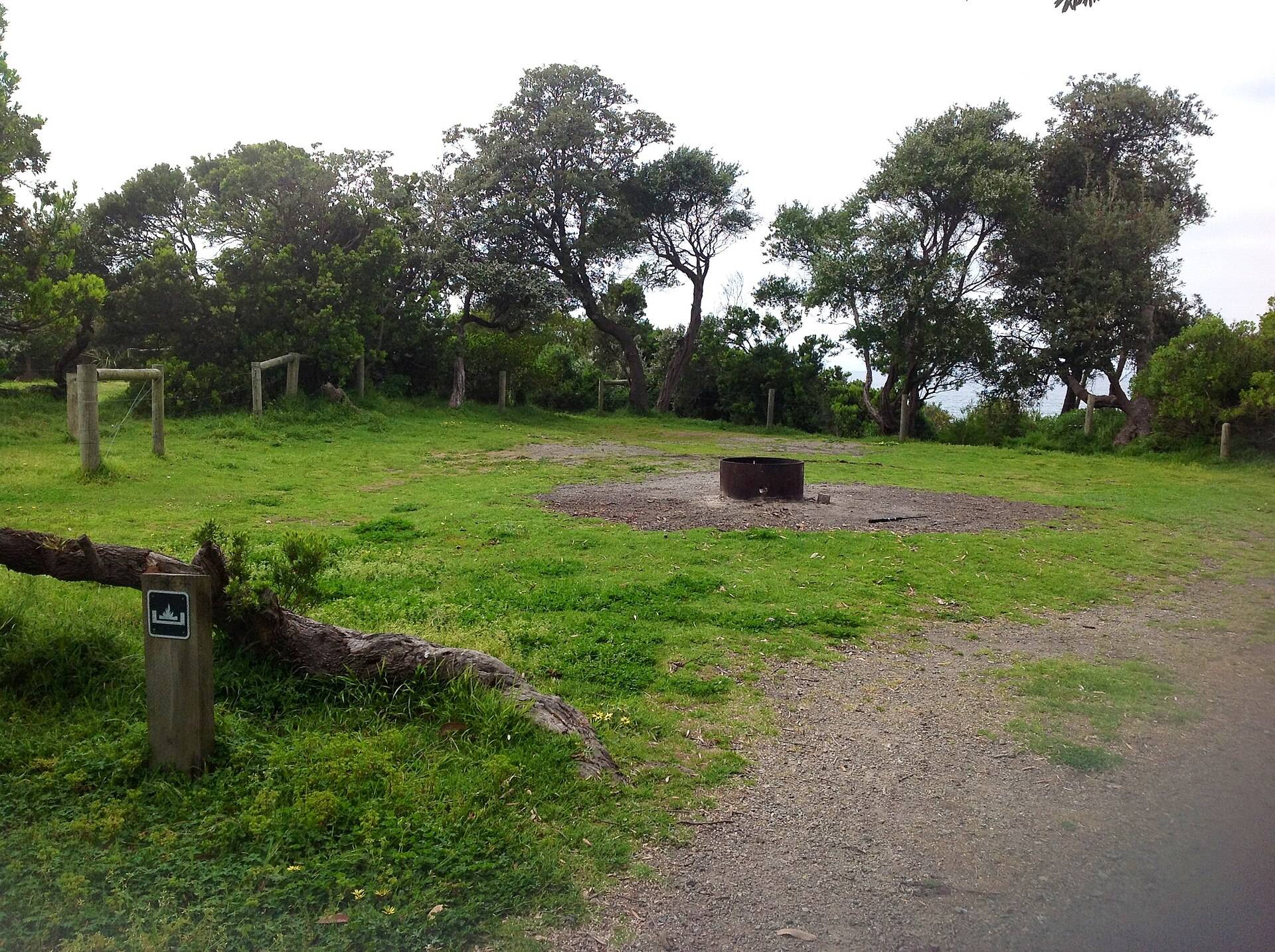
Bear Gully Reserve Camping Area
Bear Gully Reserve Camping Area offers an ideal beachfront setting in the beautiful Cape Liptrap Coastal Park. Known for its fantastic exploration spots like coastal rock pools, it's perfect for nature enthusiasts. This beautiful location is particularly popular with families and tends to fill up quickly during long weekends so early arrival is suggested.
Longwarry Service Centre Westbound
Longwarry Service Centre Westbound is a comprehensive rest area strategically located on the Princes Highway. It offers a wide range of services, facilities, and amenities including a BP Roadhouse for refuelling vehicles, convenient food options, clean restrooms, and a relaxing environment ideal for taking a break during long trips. The Centre's accessibility and top-notch service make it a favorite among travelers.
Willow Park Rosedale Rest Area
The Willow Park Rosedale Rest Area is an overnight resting zone with a free stay limit of 36 hours. It's a serene grassy spot with a unique cul-de-sac layout which may occasionally be prone to flooding during heavy rain. Despite its close proximity to highway, causing occasional traffic noise, it offers a tranquil escape. The Rosedale Bowling Club, located nearby, has a dump point.
Toorongo Falls Campground

Venus Bay Caravan Park VIC
The Perfect Holiday Destination to Explore & Create Memories. Conveniently located within a short drive from beautiful Wilson's Promontory, Phillip Island and the many other attractions of South Gippsland, Venus Bay Caravan Park provides you with a wide variety of accommodation options.
Picnic Point Longwarry North Rest Area
This adventurous camping journey offers a remarkable way to experience Australia's diverse terrain and breathtaking vistas. Participants will indulge in outdoor activities such as campfire cooking and stargazing, while sleeping beneath the exotic canopy. Significant engagement with vibrant Australian wildlife is also part of the experience, offering a tranquil getaway that emphasizes simplicity.
Foster North Scenic Lookout
Offering breathtaking 360-degree views of the rolling hills, lush valleys, and wide stretches of coastline, Foster North Scenic Lookout is an unrivaled destination for nature lovers and photographers. Surrounded by pretty walking trails and verdant greenery, it provides a tranquil space for picnicking and reflection. Its close proximity to Gippsland's other attractions makes it a must-visit spot, ideal for enriching any trip to the region.
Rosedale Caravan Park
Seninis Campground
The outdoor escapade in Australia offers a unique camping adventure where participants can choose between tenting and caravanning. The trip is characterized by stunning views, bush walks, and beachfront sites, allowing participants to experience Australia's distinctive biodiversity and the quintessential 'Aussie' outdoor lifestyle, along with abundant wildlife.
Boolarra Club Hotel Rest Area
The Boolarra Club Hotel Rest Area offers a convenient and hospitable stay for travelers with its free camping availability. Managed by Ross and Robin, visitors are assured a warm welcome and friendly service. The hotel also provides free access to essential facilities for campers, making it a perfect pit stop or holiday spot for those seeking comfort and relaxation in their travels. Experience the charm and community of Boolarra in this historic landmark that combines hospitality and convenience effortlessly.
Cowwarr Weir Camping Area
The Cowwarr Weir Camping Area is a serene getaway located on Rainbow Creek near Cowwarr and offers a peaceful camping experience. The site boasts ample Telstra and TV reception, allowing you to stay connected even in the heart of nature. Safety measures such as checking for Blue Green Algae warnings and keeping dogs on leads at all times are communicated for a safe visit. This place offers the perfect blend of outdoors with comfort and connectivity, making it the ideal camping spot.
Erica Caravan Park
Experience the tranquility and adventure that Erica Caravan Park offers as an ideal base for exploring the breathtaking surrounding areas, including scenic bushland and mountain ranges. The park provides level and grassed sites, both powered and unpowered, perfect for caravans and camping. Enjoy the relaxing atmosphere, modern facilities, and array of outdoor activities - from cycling and fishing to hiking. A superb locale for naturalists, families, and adventurers who crave a refreshing Australian bush retreat.
Yanakie Rest Area
Warragul Gardens Holiday Park
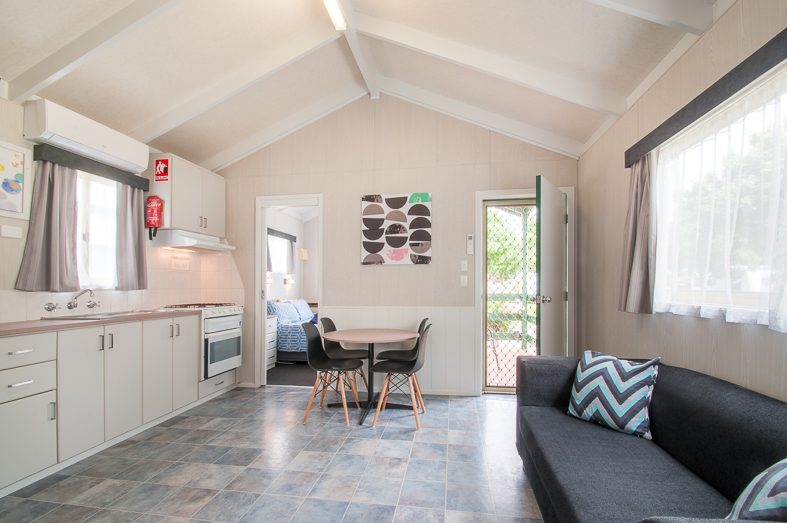
Warragul Gardens Holiday Park is a tranquil retreat nestled amid acres of lush greenery, just a stone's throw from local town amenities. The park provides a variety of comfortable accommodation options, complemented by immaculate amenities including laundry facilities and communal BBQ areas. Guests can enjoy an inviting recreation room and a playground, adding to the appeal for families. The site is famed for its beautiful gardens, making it a perfect entryway for nature enthusiasts exploring the panoramic Warragul landscape.
Longwarry North Westbound Rest Area
Prom Central Caravan Park
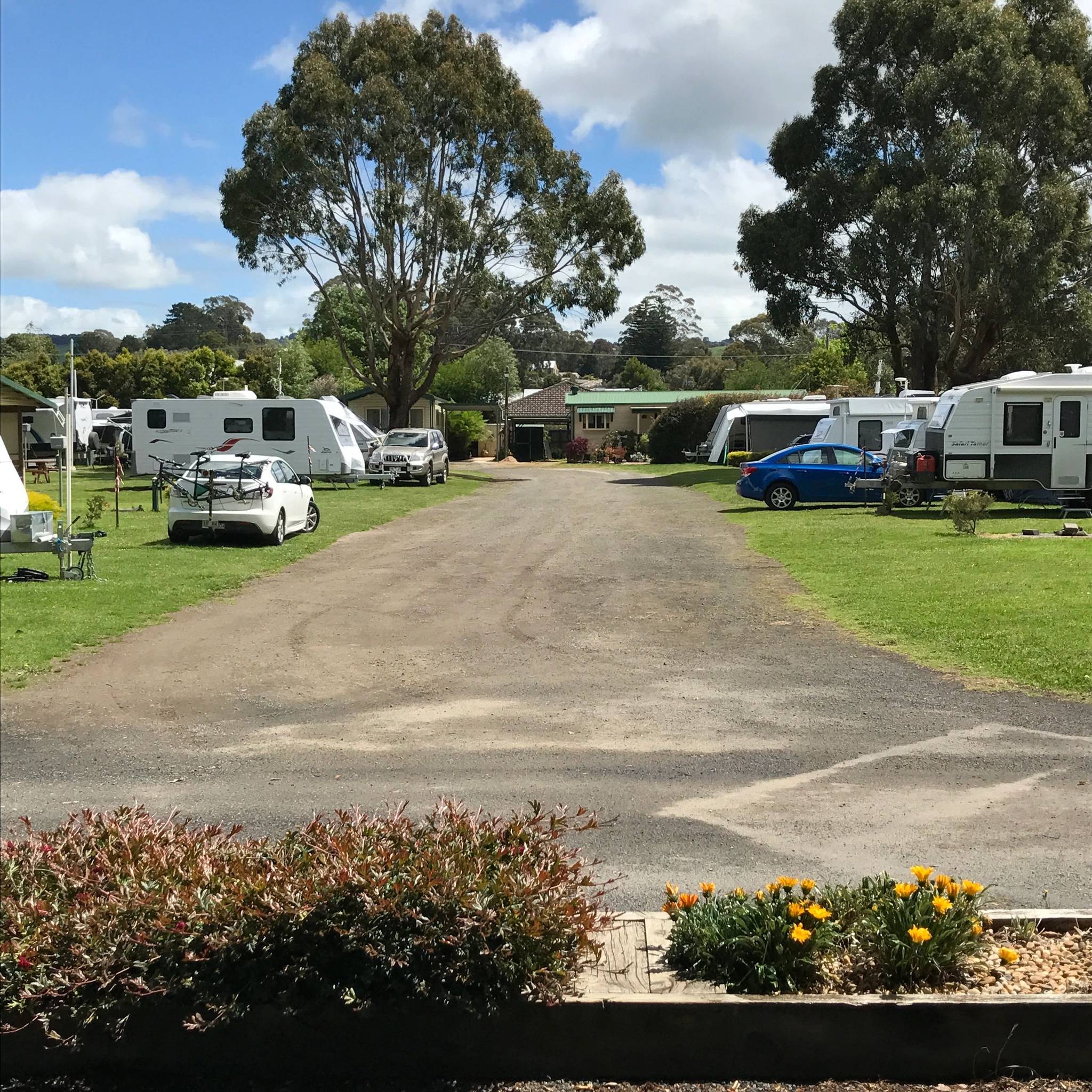
Prom Central Caravan Park is a charming destination, offering both grassy powered and unpowered sites as well as comfortable two-bedroom cabins in the heart of Foster township. Featuring a fully equipped camp kitchen with BBQ facilities as well as a modern coin-operated laundry, it serves as the perfect base for your outdoor adventures. Enjoy an affordable and friendly atmosphere, a stone's throw from stunning nature and local attractions.
Tarra River Rest Area
The Tarra River Rest Area is a scenic, convenient spot adjacent to the highway, perfect for a break on a long trip. Offering an idyllic location near the Tarra River, it's perfect for picnics, stretching your legs, and taking in some nature. Suitable for smaller vehicles, it's an easy, accessible stop while on the road. Please note that overnight stays are not permitted.
Shallow Inlet Campground
Won Wron North Rest Area
The Won Wron North Rest Area is conveniently tucked away just off the Hyland Highway, offering a peaceful and quiet spot for a picnic. It's a perfect place to take a break and enjoy the natural surroundings without the noise of heavy traffic.
Traralgon Park Lane Holiday Park
Traralgon Park Lane Holiday Park is a family-friendly recreational site in beautiful Traralgon, the largest city in Victoria's Latrobe Valley. The facility offers ample opportunities to explore nearby stunning attractions such as Walhalla historic township, the lush Tarra Bulga National Park, the snowy peaks of Mt Baw Baw, and the picturesque 90 Mile Beach region. With an array of accommodation options, it facilitates the perfect getaway for every type of traveller.

Sandy Point Holiday Park
Sandy Point Holiday Park, nestled near a picturesque beach, offers an engaging holiday experience for the whole family. The park is ideal for enjoying seaside activities such as swimming, surfing, and fishing. If you're seeking a tranquil seaside village for a relaxing and memorable vacation, this could be your perfect getaway!
Bass Valley Reserve Rest Area
Bass Valley Reserve Rest Area is a peaceful spot for daytime recreation, perfect for picnics amidst beautiful, shady environments with ample space to relax. The spot is easily accessible, situated just beside a road with minimal traffic. Though camping has been restricted and the toilet is currently non-operational, the reserve area provides a natural retreat for a quiet day outing.
Franklin River Reserve Rest Area
The Franklin River Reserve Rest Area is a beautifully maintained, large, grassy space perfect for day usage. The site is equipped with fire pits, picnic tables, and restrooms, catering to all your relaxation needs. It features a two-level set up with the upper level offering an informative display. However, due to infrastructure, environmental, and public health concerns, camping and overnight stays have been permanently restricted as of October 2020. It's an ideal location for daytime family outings, picnics, or simply spending a day amidst nature.
Middle Oval Heyfield RV Stop
Middle Oval Heyfield RV Stop is a relaxation destination for travelers with self-contained vehicles, offering amenities like a dump point and toilets. Set in the heart of Heyfield, a friendly town in Gippsland, cherished for its local bakery and close proximity to the Wetlands Reserve. Offering access to various recreational activities, such as walking, cycling and exploring the Gippsland Plains Rail Trail. Its location also serves as a gateway to the Alpine National Park and the Victorian High Country, making it a perfect base for adventurous exploration.
Reeves Beach Coastal Reserve Camping Area
The camping area is situated in a beautiful coastal environment, offering direct access to the beach and serene ocean views. Unwind amidst the refreshing air or engage in activities like swimming and beachcombing. Paradise for nature lovers, the reserve boasts diverse birdlife and possibly sightings of dolphins or whales. Access to clean amenities enhances your camping experience. Ideal for both adventurous and relaxation seeking campers.
Glen Cromie Caravan Park
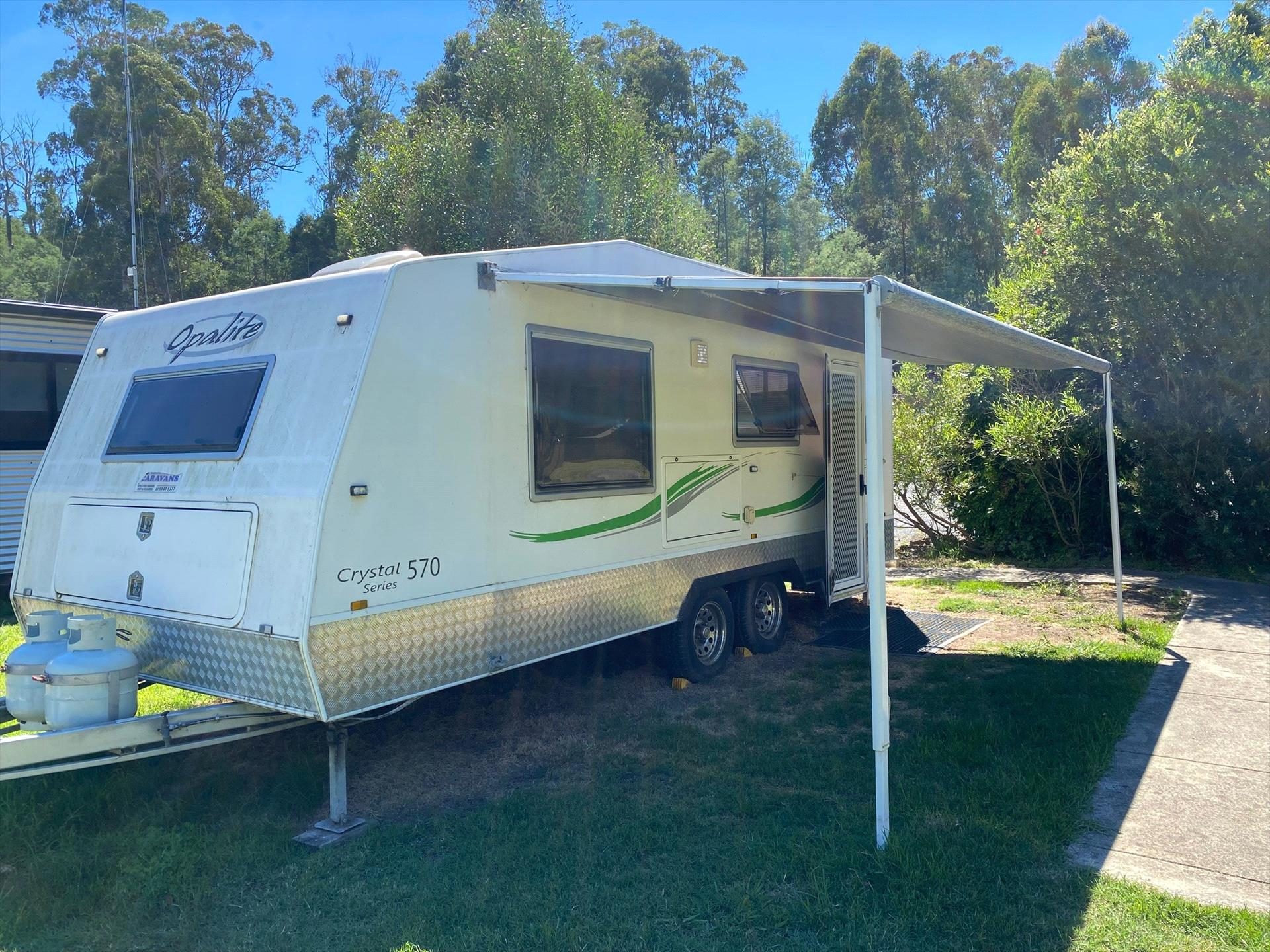
The park is a wonderful retreat for outdoor lovers, offering spacious accommodations for both caravans and camping. Guests can experience scenic walks, bird-watching, and fishing or take part in several recreational activities available. With its serene environment, Glen Cromie Caravan Park provides a perfect backdrop for relaxation, adventure, and creating treasured memories with family and friends. Notably, the park is committed to preserving its natural habitat for future generations.
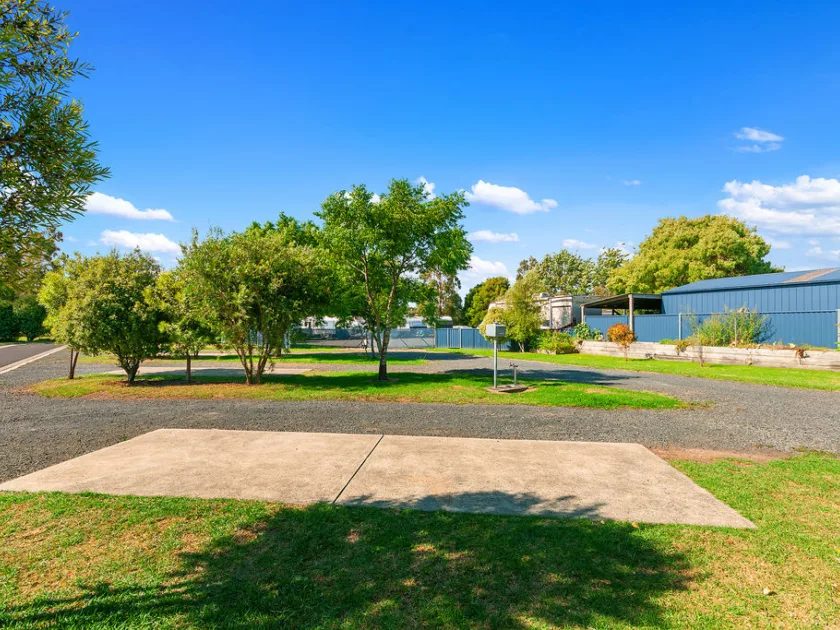
Village Leisure Park
Engage with nature at Village Leisure Park, boasting spacious sites, a choice of cabins, and a bunkhouse for travelers seeking rest. It's nestled within 10 beautiful acres of trees and gardens, perfectly positioned halfway between Morwell and Traralgon, allowing convenient access to both locations. Regardless of where you choose to stay within the park, relaxation and rejuvenation in a tranquil setting is guaranteed. Unleash your inner explorer, and come breathe in our fresh air!
Blind Joes Creek Rest Area
Harriers Swamp Camping Area
Harriers Swamp Camping Area offers a tranquil retreat nestled in a serene bush setting. With its splendid seclusion, it is ideal for nature enthusiasts seeking a peaceful getaway. The site features basic facilities, including a drop toilet, further solidifying its rustic charm. Although there’s no phone reception, the unspoilt environment provides the perfect opportunity to disconnect from the digital world and reconnect with nature. Enjoy this untouched slice of wilderness, where your only interruptions will be the sound of wildlife and rustling leaves.
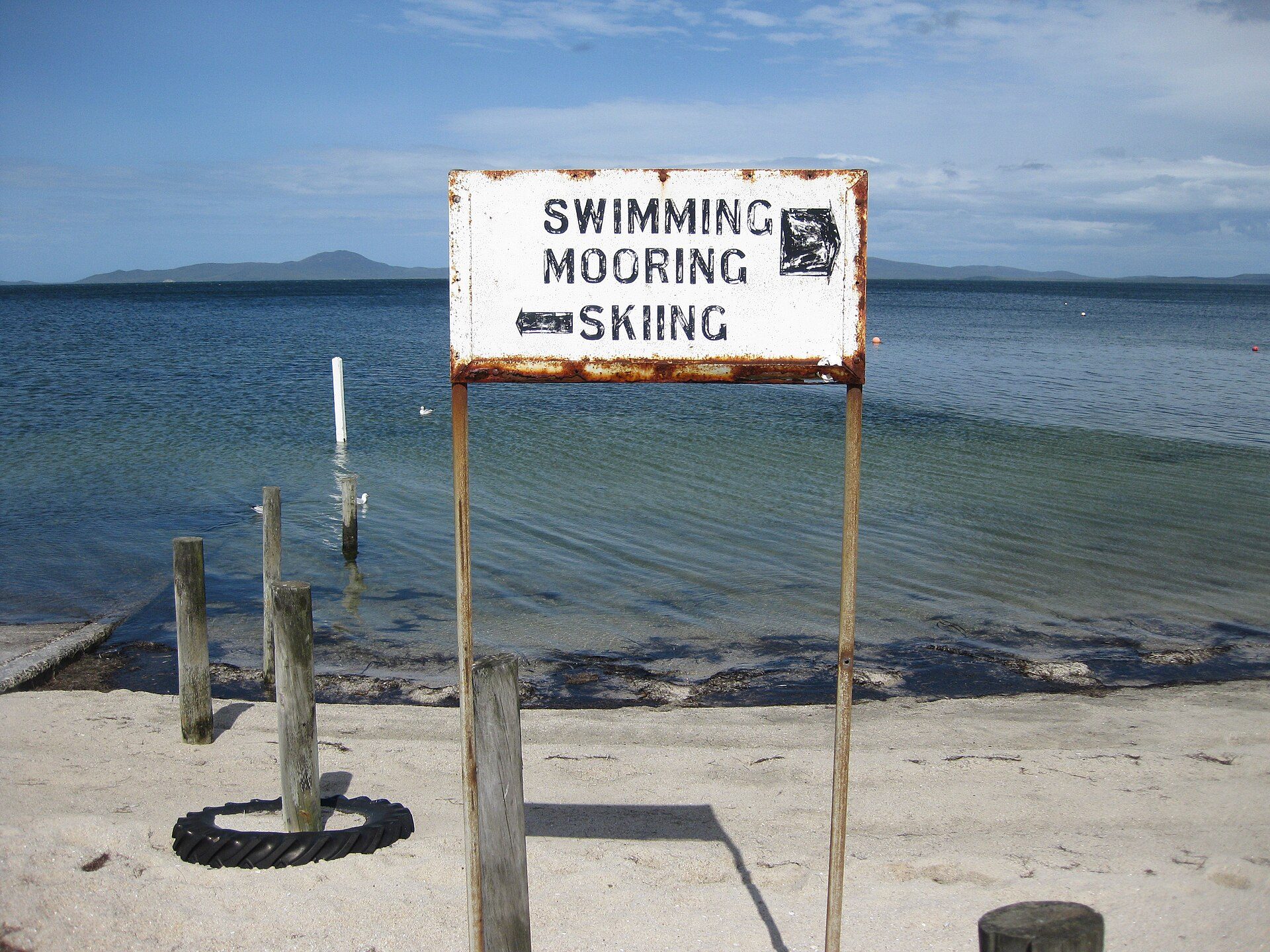
Yanakie Boat Ramp
The Yanakie Boat Ramp offers a unique boating and fishing experience, operating best during half flood to half ebb tides. It's best suited for boats under 4.5 meters due to the shallow surrounding waters. Despite this, Yanakie offers excellent opportunities for fishing enthusiasts, with chances to catch whiting and large flathead. It's not just a boat ramp, but an adventure in its own right promising a great experience for outdoor and fishing lovers.
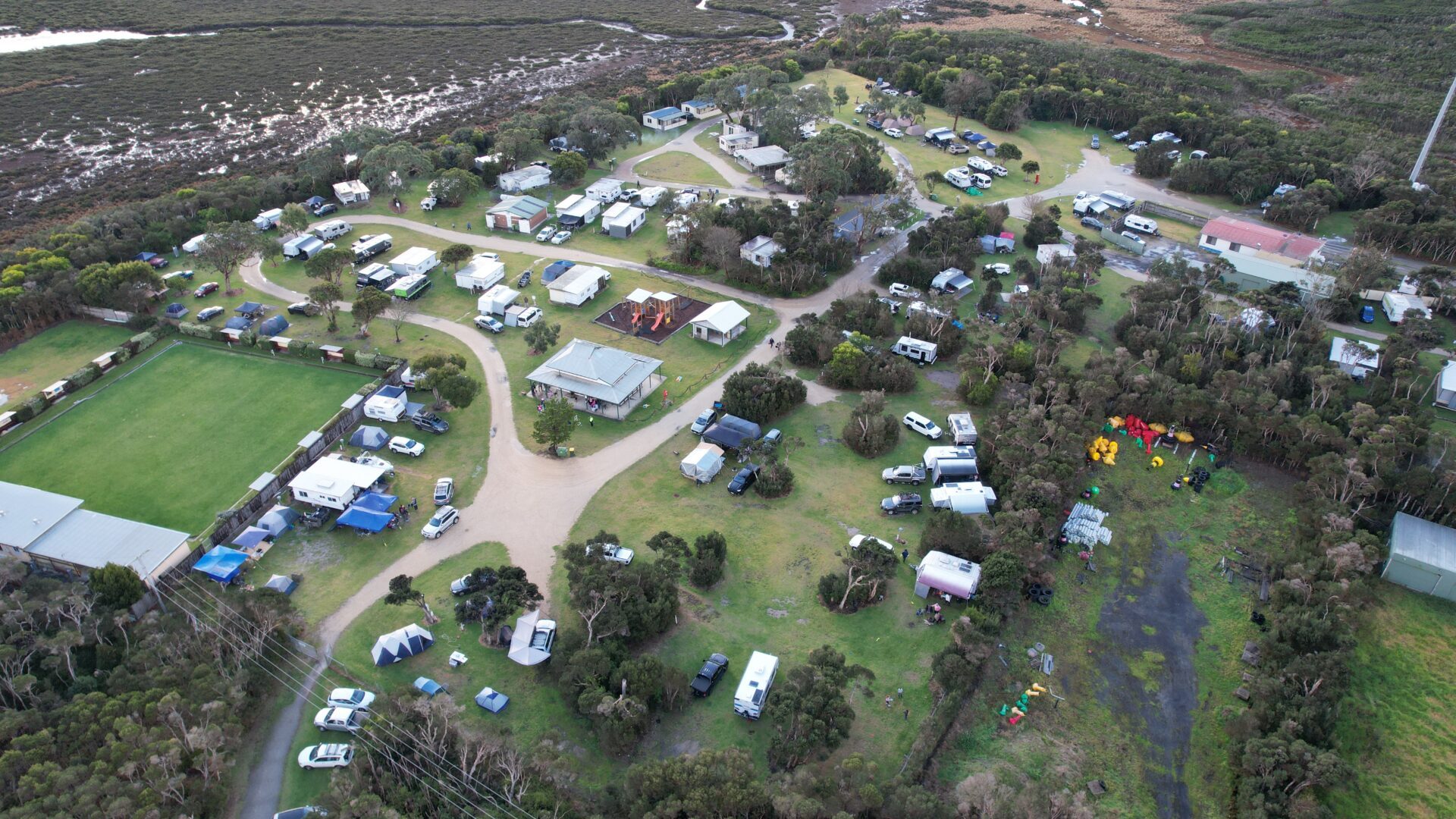
Long Jetty Caravan Park
Long Jetty Caravan Park offers a serene retreat by the sea. With its close proximity to the longest jetty in the Southern Hemisphere, visitors can relish seafaring activities and delight in scenic views. It provides family-friendly lodging options, plus amenities to ensure comfortable stays. Its location in the majestic Port Welshpool adds a natural deep-sea appeal, making it ideal for those seeking relaxation and maritime adventures.
Loch Memorial Reserve Campground
Loch Memorial Reserve Campground is an outdoor destination offering both powered and unpowered camping facilities. Despite being a heavily trafficked area, it remains a popular choice for nature lovers, providing an accessible retreat away from city life. The reserve promises an authentic camping experience with the added convenience of modern amenities. Enjoy outdoor activities, explore the natural beauty of the surroundings, and create long-lasting memories. Just remember to pack your sense of adventure!
John Crew Memorial Picnic Area
Gormandale Recreation Reserve
This outdoor haven offers nature lovers the chance to enjoy scenic views while engaging in various activities. Ideal for family outings, the Reserve also provides facilities for cricket, football, and other sports. Long walking tracks invite explorers to traverse the area, uncovering the region's unique flora and fauna. Additional amenities, including a playground and wheelchair-accessible restrooms, ensure a comfortable visit for all ages and abilities at Gormandale Recreation Reserve.
Longwarry Service Centre Eastbound
Situated at a prime location on the Princes Highway, the Longwarry Service Centre Eastbound delivers high-quality BP fuel and additional roadhouse facilities to accommodate travelers. From top-tier fuel products to a variety of food and drink options, this premier stop-off point ensures a comfortable and convenient journey. Visitors can enjoy a much-needed break, refuel their vehicles, and replenish their energy with the diverse amenities provided. Experience a seamless travel service at Longwarry Service Centre Eastbound.
Port Albert Parking Area
The Port Albert Parking Area provides convenient access to this charming seaside village's main attractions. With ample space, this well-maintained parking area offers ease and efficiency for all visitors. It's conveniently located, enabling easy exploration of the local eateries, shops, and historical landmarks. Whether you're planning a day trip or a weekend getaway, the Port Albert Parking Area helps ensure a hassle-free experience as you enjoy all the maritime charm and natural beauty Port Albert has to offer.
Agnes River Rest Area
Agnes River Rest Area is a peaceful, shaded oasis perfect for taking breaks on your road trip. Located right off the highway, it provides an ideal overnight stop with its beautiful natural environment. Even though it lacks amenities, its tranquillity, and the picturesque surroundings make it a favorite stopover among travellers. Be warned, the beauty and calm might beckon you to extend your break!
Campground C19
Campground C18
Campground C17
Campground C16
Campground C15
Campground C14
Campground C12
Campground C11
Campground C10
Campground C9
Free beach camping at Golden Beach in Gippsland Lakes Coastal Park. Toilets provided, dogs welcome, close to 90 Mile Beach. Managed by Parks Victoria.
Campground C8
Campground C7
Campground C6
Campground C5
Campground C4
Campground C2
Campground C1
Nyimba Camp
Free camping at Nyimba Camp in Alpine National Park, Gippsland. Dog-friendly with toilet facilities. Managed by Parks Victoria near Nap Nap Marra.
Dermody's
Wombat Crossing Camp Site B
Wombat Crossing Camp Site C
Federal Mill camping area (walk-in camping)
Free walk-in campsite in Gippsland forest, accessible from Ada Tree or Walk into History track. No fees, dogs allowed, river water available.
Boobook camp
Free riverside camping near Licola in Alpine National Park with tent sites, toilets, campfire facilities and dog-friendly access along a forested valley.
Chromite Mine Campsite
Free camping in Gippsland managed by Parks Victoria. Dog-friendly site accessible by 2WD. Facilities unspecified; come prepared and self-sufficient.
Eastern Tyers Camping Area
Free walk-in camping at Eastern Tyers in Baw Baw National Park, Gippsland. First stop on Australian Alps Walking Track with basic facilities beside Tyers River East.
Lake View Caravan Park @ Hollands Landing
This is a recommendation for avid campers to discover Australia's varying campgrounds, which allows one to intimately experience the country's unique and magnificent wilderness. Decision to explore these diverse landscapes can provide an ultimate and distinctive outdoor experience.
Traralgon Showgrounds Camping
Free camping at Traralgon Showgrounds in the Latrobe Valley. Large flat area with power and basic facilities.
Misty Creek Campground
Bush campground at Misty Creek near Lake Narracan. Mountain stream setting with basic facilities.
Pigs Point Reserve
Reserve rest area near Moe. Day use with picnic facilities.
Moonah Park Campground
Free camping at Moonah Park near Sale in Gippsland. Flat grassy area with basic facilities.
Coopers Creek Campground
Creek-side campground at Coopers Creek. Lush mountain ash and tree fern setting. Basic bush camping.
Snowy Creek Campground (Baw Baw)
Bush campground on Snowy Creek in the Baw Baw region. River camping with trout fishing.
Latrobe River Camping Area
Riverside camping on the Latrobe River near Moe. Bush setting with fishing and walking.
Neerim South Caravan Park
Caravan park in the Baw Baw foothills town of Neerim South. Powered sites with mountain views.
Tolorongo Falls Campground
Scenic campground near Tolorongo Falls in the Yarra Ranges. Short walk to waterfall through mountain ash forest. Basic bush camping.

Stratford Caravan Park
Nestled along the tranquil waterways of Stratford, VIC, this welcoming caravan park provides an excellent base for exploring the scenic Gippsland region. The town's riverside setting creates a...

Loves Lane Cottages
Nestled in the rolling green countryside of Dumbalk, VIC, Loves Lane Cottages offers premium self-contained accommodation in the heart of South Gippsland. The property sits ideally positioned between...

Traralgon Serviced Apartments
These spacious two and three bedroom serviced apartments in Traralgon, VIC offer comfortable self-contained accommodation just steps from the town centre. Each apartment features contemporary...
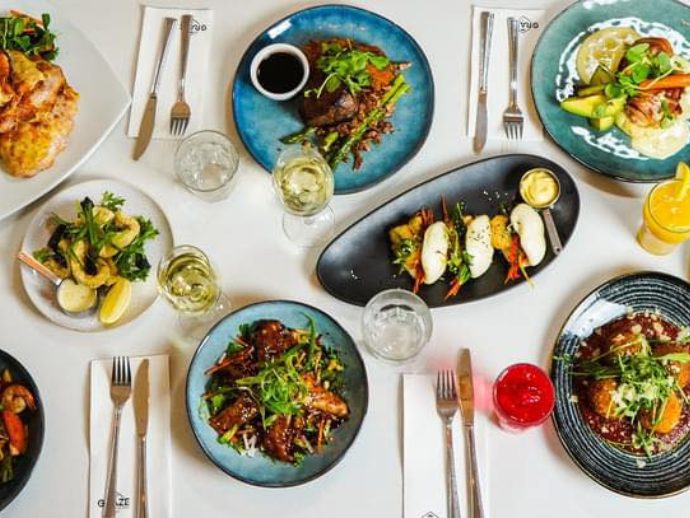
Sale Showground Caravan and Motorhome Park
Sale Showground Caravan & Motorhome Park offers the ideal setting for an enjoyable camping getaway with top-notch facilities including a dump point, ensuring a comfortable stay. Conveniently located on-site is the Greyhound Club, providing delicious meal options. Whether you plan for an overnight stop, a week-long retreat or a month-long holiday, this place ensures a memorable experience for all caravan and motorhome enthusiasts.
Lake Guthridge Rest Area
The Lake Guthridge Rest Area serves as a convenient stop for travelers, offering ample space for caravan parking. A short walk away is a petrol station at the roundabout, offering convenience for refueling both your vehicle and yourself with a variety of drinks and snacks. The surrounding beauty of Lake Guthridge adds an appealing backdrop for a rejuvenating break during your journey.
Blue Pools Camping Area
The Blue Pools Camping Area is an expansive outdoors destination offering plenty of shaded spaces near Freestone Creek, just North of Briagolong. Notable features include Blue Pool, a well-loved swimming spot in the creek, which is perfect for cooling off during summer. The area boasts various walking tracks for exploration as well as a lookout, providing visitors with stunning panoramic views of the landscape.
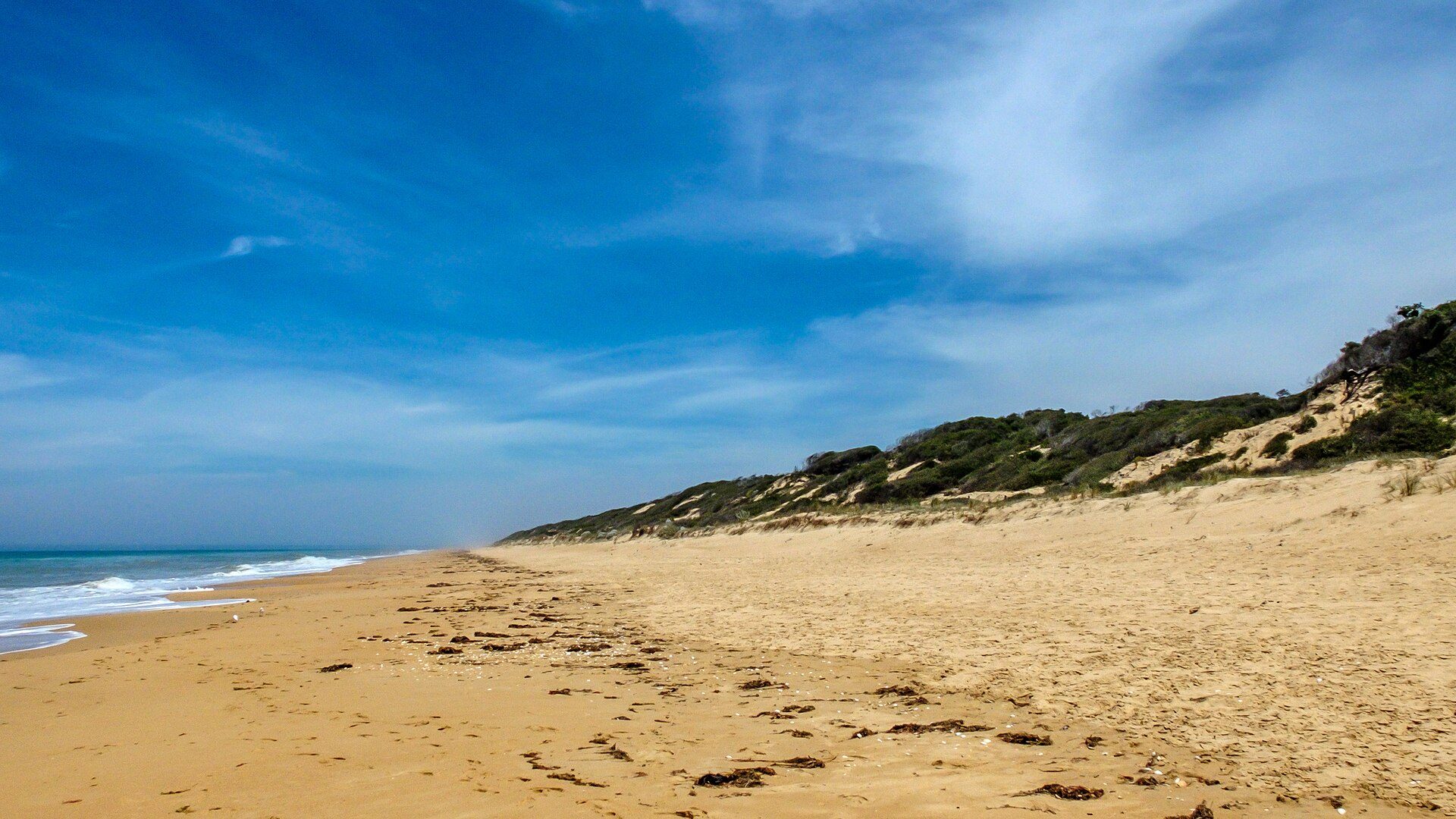
Paradise Beach Campground
Paradise Beach Campground is situated in the beautiful Gippsland Lakes Coastal Park, separated from the Tasman Sea by the Ninety Mile Beach coastal dunes. The park, jointly managed by Parks Victoria and Gunaikurnai, offers a charming blend of beach and freshwater enjoyment. Whether indulging in water-based activities or exploring on dry land, guests are drawn to the area's holiday appeal. The convenient location even caters to all types of vehicles making this location easily accessible for everyone.
Cheynes Bridge Camping Area
Cheynes Bridge Camping Area offers outdoor enthusiasts a natural retreat featuring scenic river views and diverse recreational activities. The camp features grassy tent and caravan sites, and even includes amenities like toilets. Visitors can delight in various activities such as fishing, swimming, and canoeing, making it an ideal destination for those seeking a relaxing escape full of outdoor adventures.
Gippsland Lakes Coastal Park Camping Area
The Gippsland Lakes Coastal Park Camping Area is a hidden gem offering over 20 meticulously maintained camping areas with a minimum of 8 camp sites each. Its proximity to the beach provides an ideal setting for engaging activities including fishing and brisk walks. Despite the increase in visitors during school holidays, the vast camping space ensures availability of camp spots. Perfect for nature and beach lovers alike!
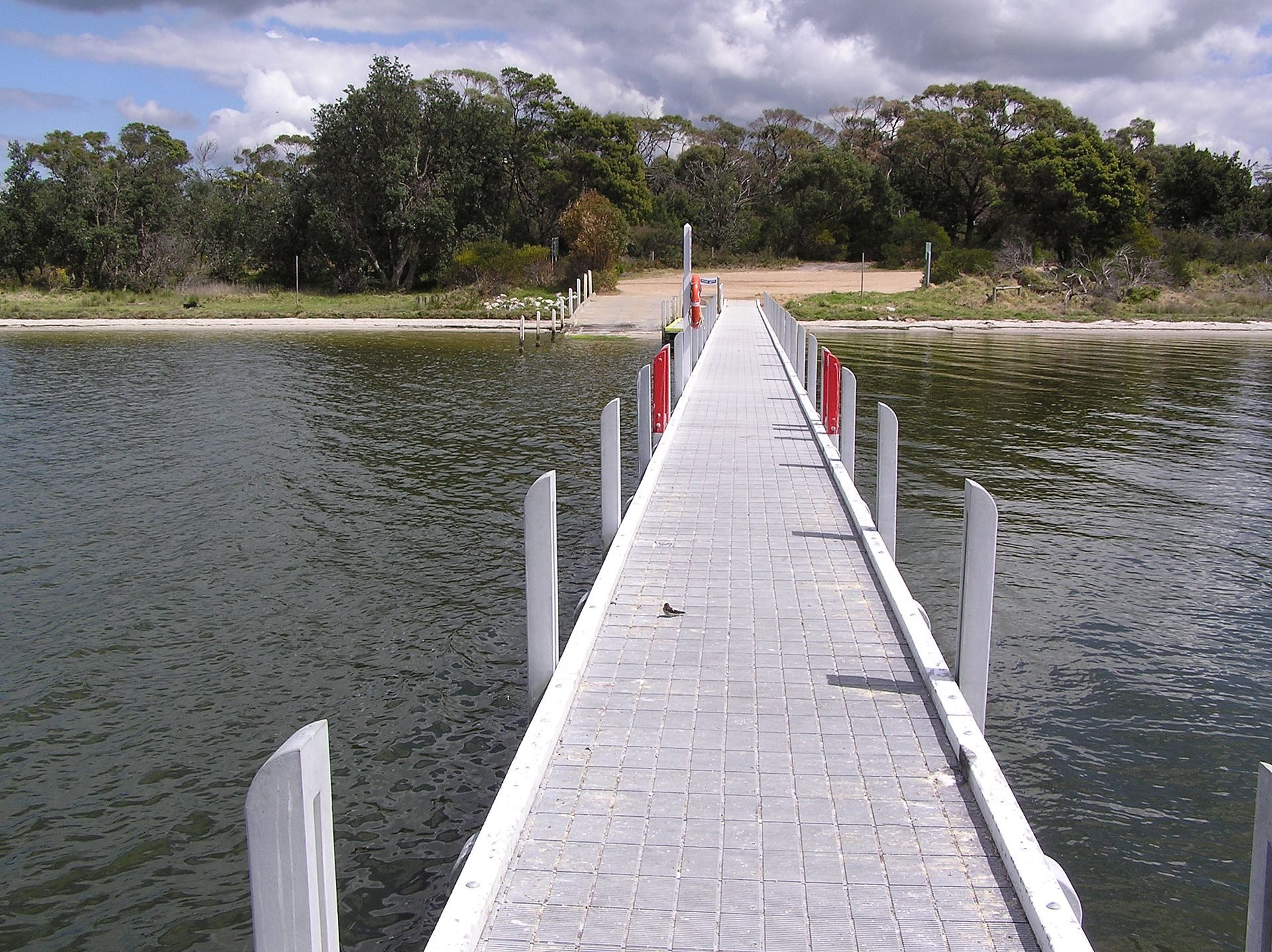
Emu Bight Campground
Emu Bight Campground offers a stunning outdoor experience with both convenience and adventure. Twenty neatly arranged campsites come equipped with tank water, fire pits, and drop toilets, with site No.5 being nearest to amenities. Just a minute's walk away lies the breathtaking Lake Victoria, perfect for fishing or simple admiration. The campground serves as an excellent base for nearby excursions to Sale, Lakes Entrance, Eden, and Dargo. The perfect escape for those seeking a natural haven with plenty of local exploration opportunities.
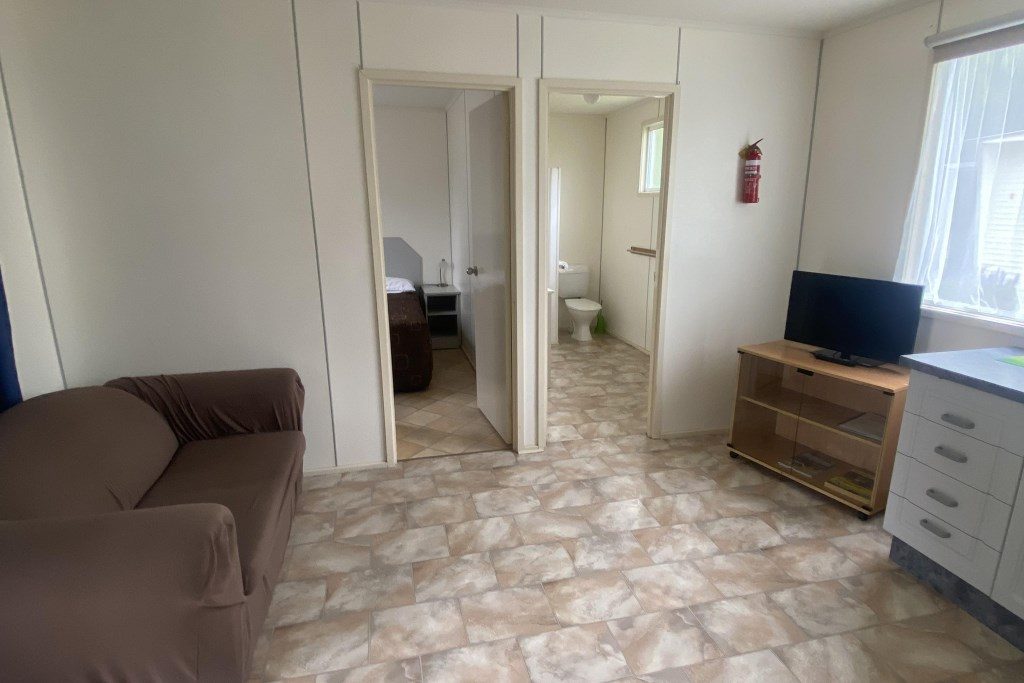
Sale Motor Village
Sale Motor Village is a conveniently located Holiday Park nestled in the heart of the town. It offers easy and quick access to diverse amenities, including a shopping centre, a variety of restaurants, and extensive leisure facilities. It's an ideal destination for travellers looking for both comfort and adventure, offering discounted rates for an affordable stay.
Caringal Scout Campground
Sandbanks Reserve Rest Area
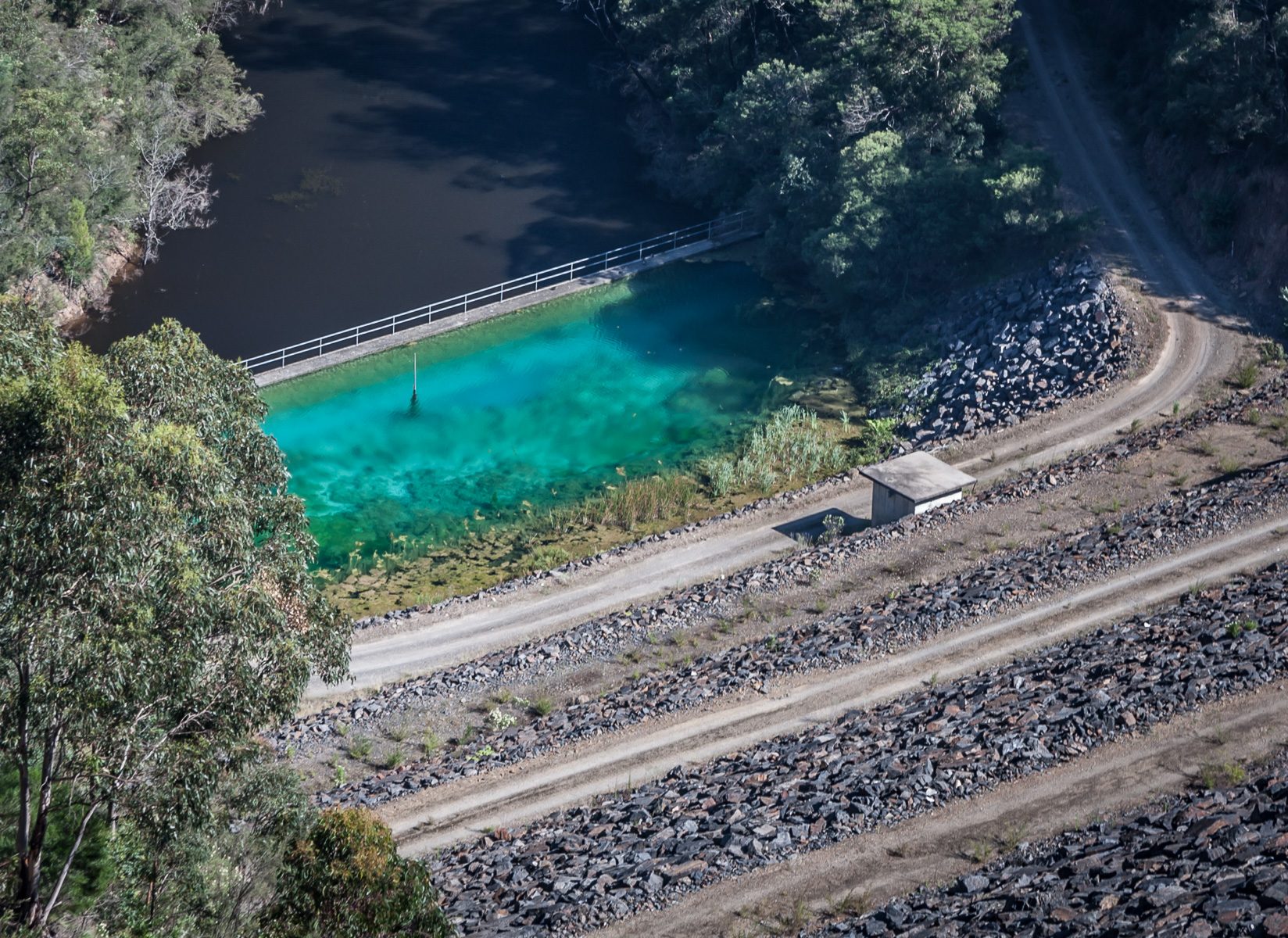
Aberfeldy River Camping Area
Marlay Point Rest Area
Marlay Point Rest Area is a serene, scenic spot, ideal for a stopover journey. With ample parking, it offers grassy campsites near trees and directly at the water's edge. Flush toilets and a picnic/BBQ shelter with limited rainwater supply add convenience for travelers. Enjoy the tranquility and recreational activities like fishing, with successful catches being a frequent scene. It's also in close proximity to a ferry terminal, suitable for travelers heading to Tasmania.
Avon River Reserve
Avon River Reserve is a serene natural haven, perfect for relaxation and outdoor activities. Situated along the beautiful Avon River, the reserve offers opportunities for peaceful boating and fishing. Despite the lack of direct shade, the reserve's surrounding bush provides natural cover during sunny days. Its gorgeous lighting conditions in the early morning and late afternoon make for extraordinary photogenic moments, captivating the heart of every nature-lover.
The Quarries Campground
Immerse yourself in the breathtaking natural beauty of The Quarries Campground, nestled in the scenic Briagolong State Forest. Relish a memorable picnic or take a refreshing swim as you surround yourself with towering gum trees. With an array of campsites to choose from, this destination truly caters to every taste of wilderness adventure.
Maffra Golf Club RV Park
Maffra Golf Club RV Park offers a unique blend of leisure and lifestyle, perfectly combining golfing with camping. The park features both powered and unpowered sites, ensuring comfortable stays for RV users of all types. Visitors can enjoy high quality golfing facilities, clean showers, and convenient access to water. Its location in the beautiful East Gippsland region makes it a perfect gateway to experience nature's bountiful beauty.